



































































India’s office real estate market has shown remarkable resilience and growth through 2025, laying the foundation for sustained rental momentum in 2026. According to the latest JLL report, the Indian office market recorded 83.3 million sq ft of gross leasing in 2025, the highest annual total to date. This growth reflects broad-based demand across major cities and reinforces India’s position as a strategic destination for business expansion.
This blog explores where rents are rising most sharply, how leasing trends vary by city, and what these patterns mean for investors evaluating office assets in 2026.
Overall Market Performance in 2025
Before we look ahead, here are the key office market figures from 2025:
- Gross Office Leasing: 83.3 million sq ft, up from roughly 77.2 million sq ft in 2024.
- Net Absorption: Reached 57 million sq ft, a year-on-year growth of about 14%.
- Global Firms’ Share: Over 58% of gross leasing was by multinational and GCC occupiers.
- Vacancy: Remained lower than recent peaks, indicating tighter market conditions nationally.
Together, these figures signal strong underlying demand, particularly for high-quality (Grade A) space in major Indian office markets.
City-Wise Office Leasing Trends (2025)
1. Bengaluru
- Bengaluru accounted for approximately 29% of total gross leasing in 2025 — the highest share among all Indian cities.
- The city recorded about 22.1 million sq ft of leasing across the full year, nearly one-third of national activity.
Trend implication:
Leading occupiers, especially technology firms and global capability centres (GCCs), continue to underpin demand in Bengaluru. The city’s rental growth will remain supported by strong absorption levels, even as supply scales gradually.
2. Delhi NCR
- Delhi NCR contributed almost 21% of gross office leasing in 2025.
- Year-on-year leasing in some reports was flat or slightly lower — but the region still reported strong overall activity.
Vacancy and rentals:
Vacancy levels in Delhi NCR are trending down as leasing increases, and rental indices show a double-digit rise (e.g., ~16% YoY) — especially in core Grade A micro-markets.
Trend implication:
Demand remains concentrated in prime corridors such as Gurugram and Central Delhi. Investors may see premium rent appreciation in core assets, while secondary locations remain price-sensitive.
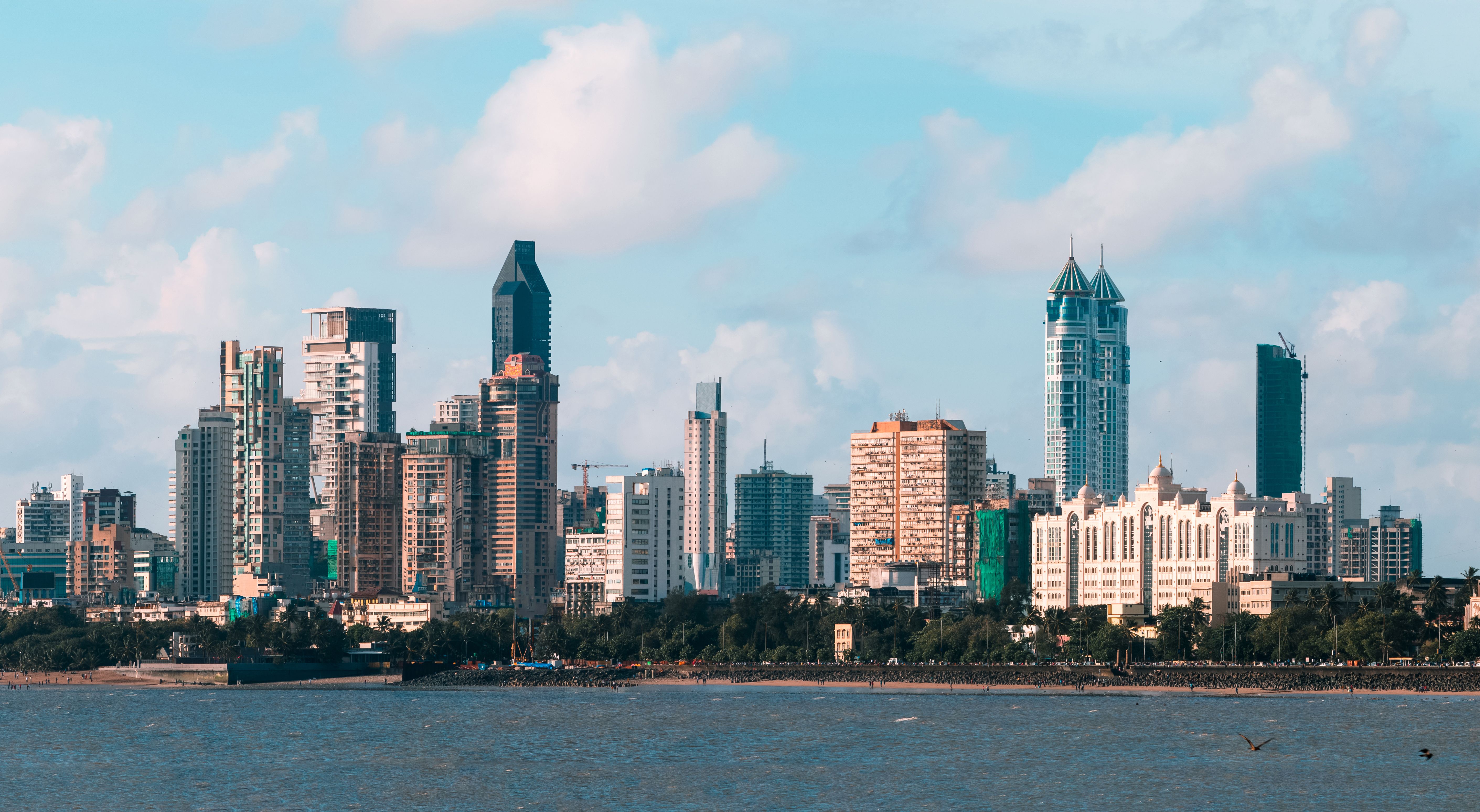
3. Mumbai
- Mumbai accounted for roughly 14% of gross leasing in 2025.
- Some industry reports showed modest YoY changes in leasing volumes, but overall activity remained steady.
Rental context:
Mumbai is consistently among the highest-rent office markets in India, with estimates of ~28–36% rental growth over multi-year periods.
Trend implication:
Mumbai’s strength lies in sustained demand and premium rental levels, making it attractive for investors seeking long-term income security.
4. Hyderabad
- Hyderabad also contributed approximately 14% to gross leasing activity in 2025.
- Leasing increased materially in key sub-markets, even if some quarterly reports show modest fluctuations.
Trend implication:
Hyderabad continues to attract strong occupier interest from technology and GCC tenants. Investors may benefit from rental upside as demand continues to outstrip new supply in preferred corridors.
5. Pune, Chennai & Kolkata
While smaller in absolute scale, these cities are important contributors:
- Pune: Leasing increased substantially in 2025, with some reports indicating ~37% YoY growth.
- Chennai: Experienced significant leasing from GCCs and reported one of the lowest vacancy rates (~8.8%) with monthly rents increasing.
- Kolkata: Recorded one of the highest percentage increases in activity (e.g., ~69% YoY growth), supported by flexible workspace take-ups.
Trend implication:
Secondary cities offer higher relative rental growth potential from a lower base and better yield prospects for cost-sensitive investors.
Rental Growth Outlook for 2026
Multiple market indices and industry studies suggest:
- Mumbai’s office rentals have shown quarterly increases near 3–4%.
- Delhi NCR’s rental values have risen by ~16% in recent periods.
- Other major cities such as Bengaluru, Hyderabad, and Pune have also seen mid- to high-single-digit rental growth over recent years.
These trends are underpinned by:
- Controlled vacancy levels, particularly in core markets
- Strong leasing momentum, especially from GCCs
- Preference for Grade A office spaces with modern infrastructure
What This Means for Investors in 2026
1. Quality Office Space Commands Premium Growth
Demand is concentrated in well-located, professionally managed assets. Grade A properties in strong business districts will likely record higher rental growth.
2. Diversified City Exposure Can Enhance Returns
Investors who spread exposure across multiple cities — including strong secondary markets — can balance yield and growth potential.
3. Long-Term Leases and Tenant Mix Matter
Longer lease tenures with creditworthy tenants provide predictable cash flows, while diversified tenant profiles reduce concentration risk.
4. Office Demand Is Structural, Not Cyclical
Continued growth in technology, financial services, GCCs, and co-working segments suggests that office demand is underpinned by corporate expansion and operational strategy, not short-term trends.
Conclusion
India’s office market is entering 2026 with strong fundamentals. Gross leasing reached unprecedented levels in 2025 and net absorption remains elevated, indicating robust underlying demand. Larger markets like Bengaluru, Delhi NCR, Mumbai, and Hyderabad are expected to lead rental growth, while Pune, Chennai, and Kolkata offer meaningful returns from emerging demand drivers.
For investors, the focus should be on high-quality assets, core business districts, diversified city portfolios, and long-term lease structures. With these elements in place, India’s office real estate sector continues to present compelling investment opportunities in 2026.