













































When most investors think of real estate in India, they picture residential towers or office parks. But quietly, a different asset class has been delivering consistent, institution-grade returns, Grade A warehousing and logistics real estate. And in 2026, the opportunity has rarely been clearer.
Why India's Warehousing Market Is Booming
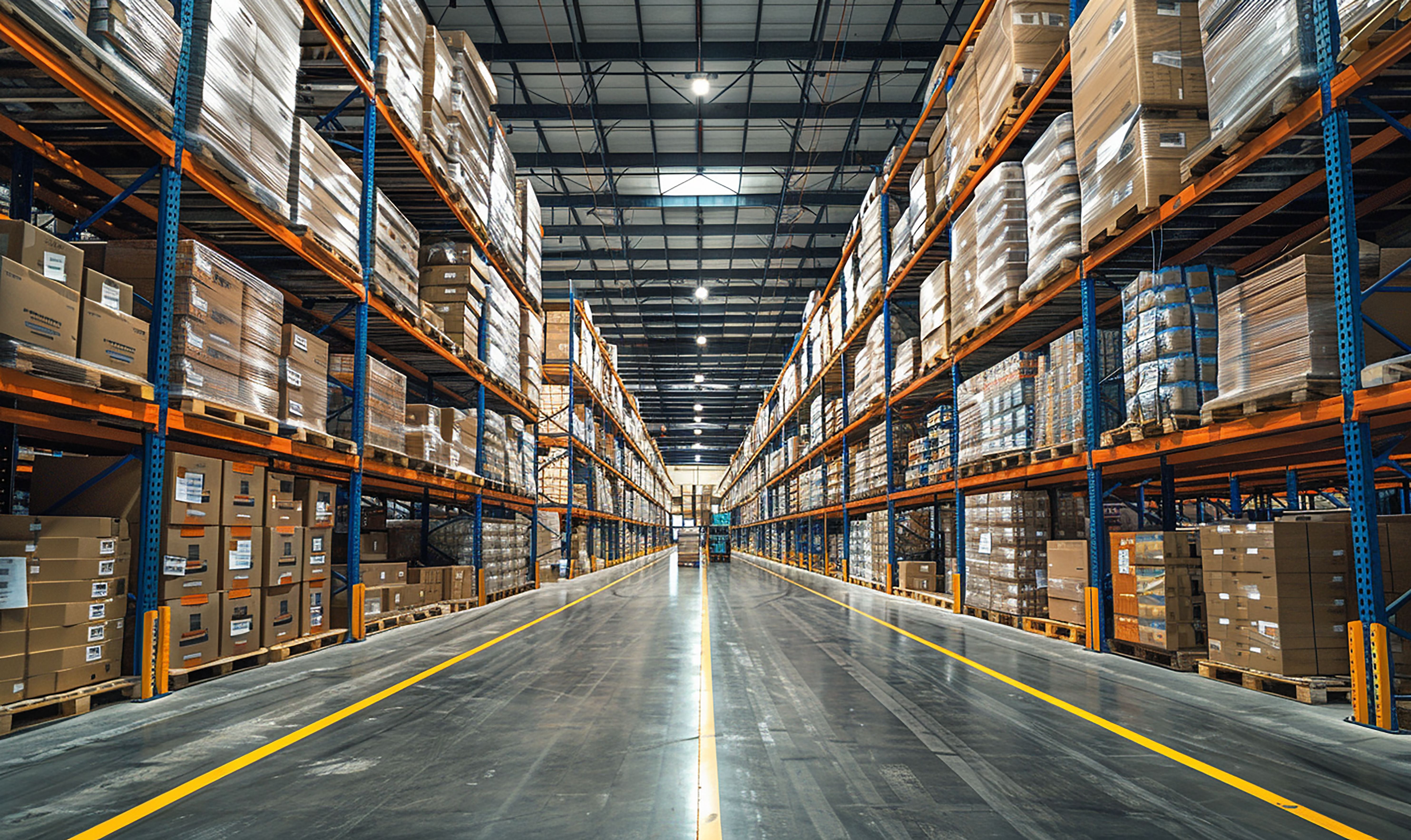
India's warehousing story is not just a post-pandemic spike, it's structural. According to Colliers India, warehousing leasing has crossed 50 million sq ft (MSF) for the fourth straight year in 2025, making it one of the most consistent demand stories in commercial property.
Several forces are converging. The implementation of GST in 2017 fundamentally reorganised how India stores and moves goods. Before GST, companies built small state-level warehouses purely for tax reasons. Post-GST, they consolidated into large, strategically located hubs. That shift is still playing out — especially in Tier 2 cities and manufacturing corridors.
Government policy is amplifying this. PM GatiShakti, the National Logistics Policy, and the Dedicated Freight Corridors are linking industrial clusters to ports and consumption centres faster than at any point in India's history. Better connectivity directly increases the addressable market for quality warehouse assets near key nodes.
Warehousing leasing exceeded 50 MSF for the fourth consecutive year in 2025 per Colliers India, a signal of structural, not cyclical, demand.
E-Commerce, 3PL, and China-Plus-One as the Three Demand Drivers
E-Commerce Rapid Growth India's e-retail market is on a path to $150 billion+ by 2027, demanding fulfilment centres in metro and Tier 2 cities for same-day delivery. | 3PL Growth Scale Operations Third-party logistics firms now drive ~35% of leasing. As brands outsource supply chains, 3PL operators lease Grade A space in bulk with long-term commitments. | China Plus One Manufacturing Shift Global manufacturers diversifying out of China are setting up in India — electronics, pharma, and auto ancillaries — creating fresh demand for industrial logistics parks. |
Together, these three drivers ensure that demand for logistics property India is broad-based and multi-sector, not dependent on any single industry cycle.
Institutional Capital and REIT-Readiness of Logistics Assets
Global Companies have collectively deployed billions into Indian logistics parks over the last five years. Their presence validates both the asset class and the exit liquidity it offers.
What makes warehousing attractive to institutions is the yield profile: long lease terms of 5-9 years with contractual escalations, creditworthy tenants, and low capex once built. Industrial assets are also simpler to underwrite than offices or retail, occupancy demand is driven by logistics volume rather than employer sentiment or footfall.
The REIT framework in India is maturing. While no dedicated logistics REIT has listed yet, the regulatory groundwork is in place and market observers widely expect one within the next 2-3 years. The SM REIT structure introduced by SEBI, targeting fractional ownership of income-generating real estate, makes warehousing assets particularly suited for retail investor participation in the interim.
Grade A warehousing offers 8-10% rental yields in prime logistics corridors, with institutional tenants and contractual rent escalations built into lease structures.
How Indian Retail Investors Can Access Warehousing Real Estate
Until recently, warehousing real estate was a closed shop, available only to institutions or high-net-worth investors with crore-level direct investment capacity. That has changed meaningfully.
SEBI's SM REIT framework allows retail investors to participate in professionally managed, income-generating commercial assets, including industrial and logistics properties, at significantly lower ticket sizes. This opens access to a segment that was previously impossible for most individual investors to reach.
When evaluating any scheme, look for: Grade A asset quality, institutional-grade tenant covenants, a transparent fee structure, and a track record of distributions. The underlying asset should ideally sit within a major consumption or manufacturing corridor NCR, MMR, Pune, Chennai, or Hyderabad logistics belts, for instance.
Warehousing real estate investment India 2026 is not speculative. The demand fundamentals are structural, the capital flows are institutional, and the regulatory environment is finally enabling retail access. For investors seeking commercial real estate exposure beyond offices, logistics assets deserve serious consideration.